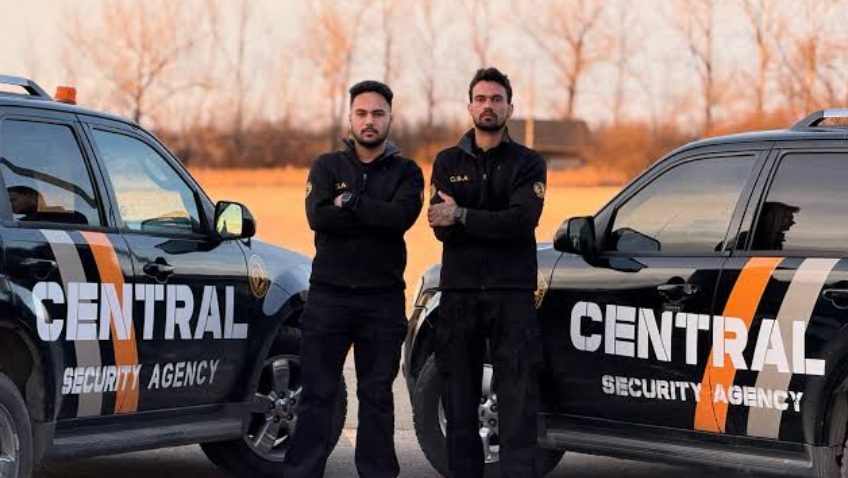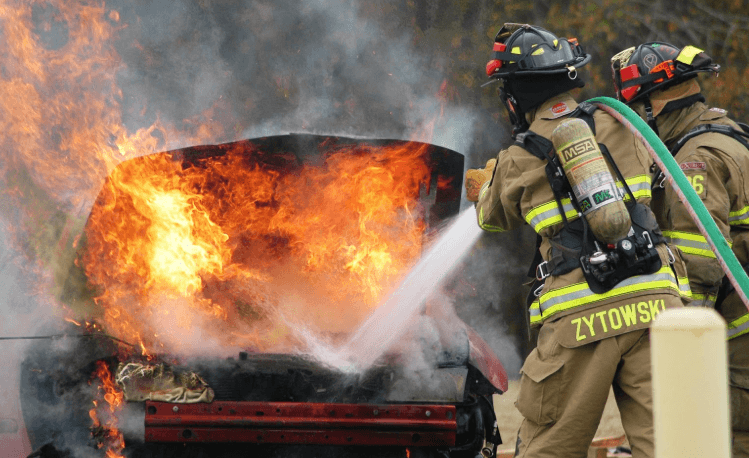
Fire protection duties can change when local rules change. A building facing an alarm outage needs prompt attention. Clear fire watch requirements help maintain protection during that gap. State regulations establish broad duties for owners and managers. Local officials can add conditions based on site risks. Building use, occupancy, hazards, and system failures all matter. A sound response therefore starts with knowing applicable rules. From there, responsible personnel can build a practical patrol plan.
State Rules Set The Safety Baseline
State fire codes establish core expectations for temporary protection. Those standards can address staffing, patrol timing, records, and notifications. Yet local enforcement can create additional duties for certain sites. A hospital may need closer monitoring than a vacant office. Construction areas can also require different precautions because hazards change.
- Assigned personnel need clear duties.
- Patrol routes should cover exposed areas.
- Communication equipment must remain ready.
- Emergency contacts should stay current.
System Failures Can Change Patrol Duties
An impaired alarm can leave occupants with less warning. Clear fire watch requirements help determine the response during that gap. A sprinkler outage creates another form of protection loss. Either event can prompt temporary monitoring by trained personnel. Required actions depend upon system condition and building risks. Officials may require regular rounds or constant observation.
For example, a retail center loses alarm coverage overnight. Management may need patrols until technicians restore service. A crowded venue facing similar trouble could need closer oversight. The difference comes from occupancy, exposure, and local direction.
Local Officials Can Shape Fire Watch Plans
State guidance rarely answers every site-specific question. Fire departments and building officials can set additional conditions. Those instructions may cover patrol intervals, log details, or staffing. This makes local communication an important part of planning. A manager can prepare a sound response before contacting authorities. Still, final expectations depend upon the jurisdiction involved.
During planning, responsible personnel should confirm:
- Which protection system remains unavailable.
- How often assigned staff must patrol.
- Which areas require focused observation.
- What emergency notification method applies.
These details prevent confusion once monitoring begins. Clear instructions also help each assigned person act consistently.
What Should Patrol Records Include?
A useful log creates a reliable account of activity. Each entry should identify the assigned person and patrol time. Notes can describe hazards, blocked exits, smoke, or unusual conditions. Any corrective action should receive a clear record. Notifications should also include the recipient and approximate time.
Good records serve another purpose beyond compliance. They help managers notice repeated hazards during extended outages. Suppose one exit remains obstructed across several rounds. Repeated entries can prompt faster correction before conditions worsen.
Compliance Depends On Site Conditions
A statewide rule provides direction, but circumstances shape implementation. Local authorities can require stronger measures when risks justify them. That means one property’s response may not suit another property. The same outage can produce different duties across jurisdictions.
A manager facing an alarm failure should verify several facts. First, the affected equipment needs clear identification. Next, occupancy and current hazards should receive careful review. Then, local officials should confirm required monitoring arrangements. This approach turns regulatory uncertainty into specific operating steps.
A Patrol Log Can Become An Early Warning
A detailed record can reveal more than regulatory compliance. Repeated notes may expose blocked exits, equipment faults, or ignition hazards. That information gives managers a chance to correct conditions earlier. In practice, one repeated log entry can matter greatly. The overlooked obstruction from the second round may become tomorrow’s emergency.
See also: How the Right Setup Strategy Unlocks Sustainable Business Growth
FAQs
When does a fire watch become necessary?
An outage affecting fire detection or suppression can create that need. Local officials determine the monitoring period and required safeguards.
Who can perform fire watch duties?
Assigned personnel need suitable training and clear emergency responsibilities. Certain jurisdictions may impose additional qualification requirements.
Why can requirements differ between states?
State codes establish broad standards, while local authorities add conditions. Occupancy, hazards, and building use can influence those decisions.
Why are patrol records important during an outage?
Records show when rounds occurred and what personnel observed. They can also reveal repeated hazards needing prompt correction.