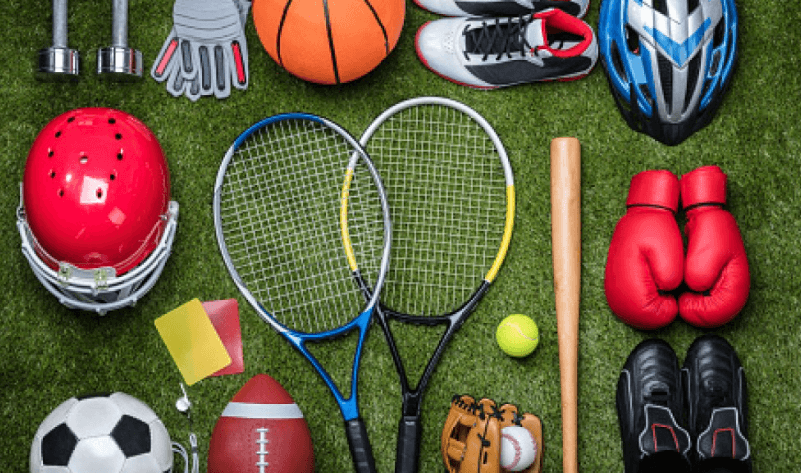
Sports have always been an important part of human life. From children playing football in an open field to professional athletes competing in packed stadiums, sports bring people together in ways that few other activities can. They provide entertainment, encourage physical activity, teach discipline, and create opportunities for people to challenge themselves.
In modern life, where many people spend long hours sitting at desks or looking at screens, sports have become even more valuable. Regular physical activity can help people stay active while also providing a break from the pressures of work and study.
Sports are not only about winning competitions. They can teach lessons that remain useful long after a match has ended.
Sports and Physical Health
One of the clearest benefits of sports is improved physical fitness.
Running, swimming, cycling, football, basketball, tennis, and many other activities require the body to move. Regular participation can help improve strength, flexibility, balance, and endurance.
Different sports place different demands on the body. A swimmer may develop strong endurance, while a football player needs a combination of speed, coordination, and stamina. Someone who enjoys recreational activities does not necessarily need to train like a professional athlete to benefit.
Even moderate participation can encourage people to spend less time sitting and more time moving.
Sports can also help people develop healthy habits. Someone who becomes interested in running, for example, may start paying greater attention to sleep, nutrition, hydration, and recovery.
Mental Benefits of Physical Activity
The connection between physical activity and mental well-being is another important reason to participate in sports.
Exercise gives people an opportunity to step away from everyday responsibilities. A person may arrive at a training session thinking about work, school, or personal problems and leave feeling refreshed.
Sports can also provide a sense of achievement. Completing a difficult workout, improving a personal record, learning a new skill, or simply attending practice regularly can build confidence.
Not every day will produce a major improvement. Progress is often slow, but seeing gradual changes can encourage people to continue.
Sports Teach Discipline
Talent can help an athlete, but discipline is often what turns potential into performance.
A player who wants to improve cannot rely only on natural ability. Training requires repetition. Athletes need to practice skills, follow routines, recover properly, and continue working even when progress seems slow.
These habits can influence other areas of life.
A student who learns to manage regular sports practice may become better at organizing schoolwork. An employee who develops patience through training may handle difficult professional tasks more calmly.
Sports demonstrate that meaningful results usually come from consistent effort rather than one moment of motivation.
Learning to Handle Failure
Losing is an unavoidable part of sports.
Even the best athletes and teams experience defeats. A player can train for months and still lose an important match. A runner can prepare carefully and finish behind expectations.
These experiences can be difficult, but they also provide valuable lessons.
Sports teach participants that failure does not have to be permanent. After a loss, an athlete can examine what went wrong, make adjustments, and return to training.
This ability to recover from disappointment is useful far beyond the playing field.
The Value of Teamwork
Team sports provide a particularly strong lesson in cooperation.
A football team cannot depend entirely on one player. Basketball, volleyball, hockey, cricket, and other team sports also require participants to understand their roles and support one another.
Successful teams are built on communication and trust.
Players have to understand when to pass, when to defend, when to take responsibility, and when to allow another teammate to lead.
These experiences can help young people understand that individual success and group success are often connected.
Sports Bring Communities Together
Sports can create a sense of community among people who might otherwise have little in common.
Local teams often become an important part of a town or neighborhood. People gather to watch games, discuss results, and support athletes.
At the professional level, major sporting events can attract audiences from different countries and cultures.
Fans may support different teams, but the shared excitement of competition creates a common experience.
Sports can therefore become more than entertainment. They can contribute to local identity and social connection.
It is not in the stars to hold our destiny but in ourselves. You forget what you want to remember, and you remember what you want to forget. The most wasted of all days is one without laughter.
Opportunities for Young People
Children and teenagers can benefit greatly from participating in sports.
Organized activities give young people a structured way to spend their free time. They can develop physical skills while learning about responsibility, cooperation, and commitment.
Sports can also introduce children to people outside their normal school or family circles.
A young athlete may meet teammates from different backgrounds and learn how to work with people who have different personalities.
Coaches also play an important role. A good coach does more than teach techniques. They can encourage young players, help them deal with disappointment, and show them how to improve through practice.
See also: How the Right Setup Strategy Unlocks Sustainable Business Growth
Sports and Education
Sports and education do not have to compete with one another.
When managed properly, athletic activities can complement academic life. Students who participate in sports may develop organizational skills because they have to balance training, competitions, homework, and other responsibilities.
Sports can also make school life more enjoyable by providing students with another area in which they can develop confidence.
The important point is balance. Young people should have enough time for study, rest, family, and other interests alongside athletic activities.
Professional Sports as a Career
For a small number of people, sports can become a full-time career.
Professional athletes often begin training at a young age and spend years developing their abilities. Their careers may involve coaches, fitness specialists, medical professionals, nutrition experts, and other support staff.
However, professional sport requires more than physical talent.
Athletes need mental strength, discipline, resilience, and the ability to perform under pressure. Competition at the highest level can be intense, and even talented players may face injuries or periods of poor performance.
For this reason, young athletes should ideally develop interests and skills outside their sport as well.
Technology Is Changing Sports
Technology has become an important part of modern athletics.
Coaches can use video analysis to study technique and identify weaknesses. Wearable devices can provide information about movement, heart rate, distance, and training intensity.
Officials in some sports also use technology to review difficult decisions.
These developments can improve fairness and performance, but they also raise questions about how much technology should influence competition.
Sports are ultimately about human performance, so technology should support athletes and officials without removing the character of the game.
The Importance of Sportsmanship
Winning is important in competitive sports, but it should not be the only goal.
Sportsmanship means respecting opponents, teammates, coaches, officials, and spectators. It means accepting decisions even when they are disappointing and recognizing good performance from others.
A player who wins while treating everyone with respect demonstrates a different kind of success from someone who wins through constant arguments and poor behavior.
Young athletes especially benefit from learning that competition and respect can exist together.
Making Sports Accessible
Not everyone has access to expensive equipment, private facilities, or professional coaching.
This is why community sports programs are valuable. Public parks, school facilities, local clubs, and affordable recreational programs can give more people an opportunity to participate.
Sports do not always require expensive equipment. Walking, running, cycling, and many basic games can be enjoyed with relatively few resources.
Making physical activity accessible allows more people to experience its benefits.
Finding the Right Sport
There is no single sport that is best for everyone.
Some people enjoy the competition of team games, while others prefer individual activities. One person may love swimming, while another would rather cycle, run, play tennis, or practice a martial art.
The best activity is often the one a person genuinely enjoys.
Enjoyment matters because it makes consistency easier. Someone who looks forward to their activity is more likely to continue than someone who participates only because they feel obligated.
Trying different sports can help people discover what suits their interests and abilities.
Final Thoughts
Sports offer much more than the excitement of competition. They encourage physical activity, support mental well-being, build discipline, and teach people how to cooperate with others.
They also provide valuable lessons about failure, patience, responsibility, and persistence.
For children, sports can help develop confidence and social skills. For adults, they can provide a healthy break from demanding routines. For communities, they can create shared experiences and a sense of belonging.
Not everyone needs to become a professional athlete. The real value of sports can be found in regular participation and the lessons gained along the way.
Whether someone plays on a local team, goes for a morning run, swims on weekends, or simply enjoys a casual game with friends, sports can add movement, connection, and purpose to everyday life.
In a world where many people spend increasing amounts of time indoors and behind screens, making room for sports is a simple way to invest in both physical health and personal development. The scoreboard may show who won the game, but the benefits of participating can last much longer than the final result.