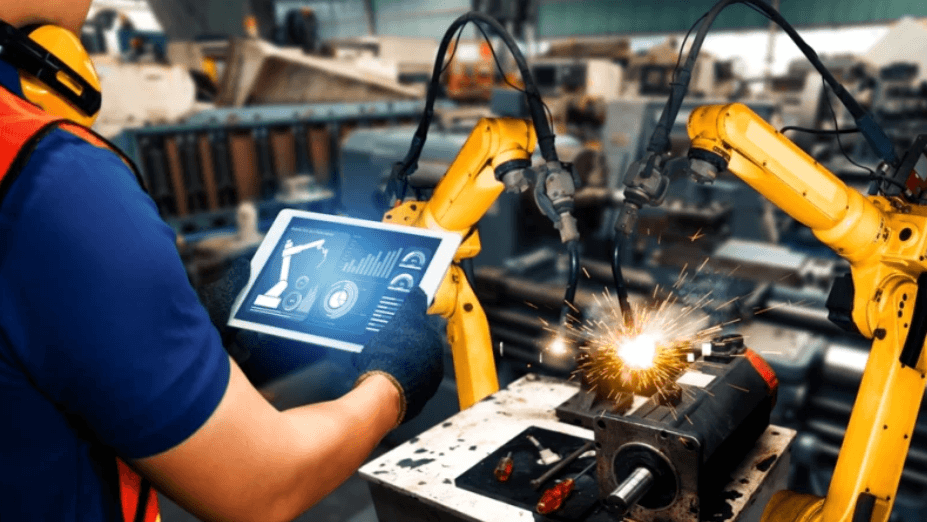
Manufacturing has changed dramatically over the past few decades. Factories that once relied heavily on manual labor and isolated machinery now depend on connected systems, automated equipment, cloud-based software, robotics, and digital communication networks to maintain production and efficiency. These technological improvements allow manufacturers to produce goods faster, monitor operations more accurately, and manage supply chains with greater precision than ever before.
At the same time, however, increased connectivity introduced serious cybersecurity risks.
Manufacturing companies now face threats that go far beyond physical equipment problems or operational delays. Cybercriminals, ransomware groups, and hostile organizations increasingly target manufacturers because production facilities rely so heavily on digital systems to operate efficiently.
A successful cyberattack against a manufacturing company may disrupt production lines, damage equipment, steal intellectual property, interrupt supply chains, or expose sensitive customer and operational information. In some cases, attacks can force entire facilities to temporarily shut down until systems are restored safely.
This growing risk led to the rise of manufacturing cybersecurity, a specialized area of cybersecurity focused on protecting industrial systems, operational technology, production equipment, and manufacturing networks from digital threats.
Manufacturing cybersecurity involves much more than installing antivirus software or protecting office computers. It requires securing complex industrial environments where machinery, sensors, software platforms, robotics, and networked systems all work together continuously to support production.
As manufacturing technology continues evolving, cybersecurity became essential not only for protecting data, but also for maintaining operational stability, employee safety, product quality, and long-term business continuity.
Why Manufacturing Became Vulnerable To Cyber Threats
Traditional manufacturing systems were often isolated physically from outside networks.
Machines operated independently or within closed environments, which naturally limited exposure to external cyber threats. Over time, however, manufacturers adopted digital systems to improve efficiency, automate production, reduce costs, and increase visibility across operations.
This transformation connected factories to the internet, cloud platforms, remote monitoring systems, and external supply chain networks.
While these technologies improved productivity significantly, they also created new vulnerabilities.
Cybercriminals recognized that manufacturers often rely on continuous operations and strict production schedules. This dependence makes manufacturing companies attractive targets because operational disruptions can become extremely costly very quickly.
For example, if a cyberattack shuts down production for several days, the financial consequences may involve delayed shipments, lost contracts, supply chain interruptions, overtime costs, and damaged customer relationships.
Manufacturing companies also store valuable intellectual property such as product designs, engineering data, formulas, and proprietary processes that criminals may attempt to steal.
The increasing connection between information technology systems and factory equipment created environments where digital attacks can affect physical operations directly.
This reality changed how manufacturers approach security entirely.
Understanding Operational Technology
One important part of manufacturing cybersecurity involves operational technology, often called OT.
Operational technology refers to the hardware and software systems that control industrial equipment and manufacturing processes. These systems may include robotics, programmable logic controllers, industrial sensors, conveyor systems, automated machinery, and monitoring devices used throughout production environments.
Unlike traditional office IT systems focused mainly on data and communication, OT systems directly influence physical operations.
For example, operational technology may control machine temperatures, production timing, assembly line movement, or chemical processing conditions inside a manufacturing facility.
Because these systems affect physical equipment, cybersecurity failures can sometimes create real-world operational and safety consequences.
A successful attack might stop production lines, damage expensive machinery, or create unsafe operating conditions.
Many OT systems were originally designed primarily for operational efficiency rather than internet-connected security. As connectivity increased, older industrial systems often became exposed to risks they were not originally built to handle.
This created major cybersecurity challenges for manufacturers modernizing operations while still relying on legacy equipment and infrastructure.
How Manufacturing Cybersecurity Works
Manufacturing cybersecurity combines multiple layers of protection designed to secure industrial systems, networks, and operational environments.
One major focus involves monitoring network activity continuously to identify suspicious behavior or unauthorized access attempts. Security systems analyze communication between machines, servers, users, and connected devices while searching for unusual patterns that may indicate cyber threats.
Access controls also play a major role.
Manufacturers often restrict which employees, contractors, or external vendors can access sensitive systems and production environments. Multi-factor authentication, secure login protocols, and permission management help reduce unauthorized access risks.
Network segmentation is another important strategy.
Instead of allowing every system to communicate freely across the entire network, manufacturers often separate critical operational systems from general business networks. This limits how far cyber threats can spread if one part of the environment becomes compromised.
Encryption protects sensitive data moving between systems or stored digitally.
Backup and recovery planning also remain essential because manufacturers must prepare for worst-case scenarios involving ransomware attacks or operational disruptions.
Cybersecurity in manufacturing therefore involves prevention, monitoring, response planning, and operational resilience working together continuously.
A Brief Look At Manufacturing Cybersecurity
Manufacturing cybersecurity refers to the protection of industrial systems, operational technology, manufacturing networks, and connected production environments from cyber threats, unauthorized access, and digital attacks.
Modern manufacturing cybersecurity strategies often involve network monitoring, access controls, system segmentation, employee training, encryption, and threat detection technologies designed to secure both digital infrastructure and physical manufacturing operations.
For example, manufacturing cybersecurity helps protect automated machinery, production lines, industrial sensors, and sensitive operational data from cyber incidents that could disrupt manufacturing processes or compromise safety and productivity.
Why Ransomware Became A Major Concern
Ransomware attacks became especially dangerous for manufacturers in recent years.
In a ransomware attack, criminals encrypt company systems or files and demand payment to restore access. Manufacturing companies often become attractive targets because operational downtime can create immediate financial pressure.
If production stops completely, businesses may lose large amounts of revenue quickly.
Some attacks also affect supply chain operations, shipping systems, inventory management, and customer communication simultaneously.
Manufacturers sometimes face difficult decisions during ransomware incidents because restoring operations may take significant time even if backups exist.
These risks pushed many manufacturers to invest more heavily in cybersecurity monitoring, employee training, backup systems, and incident response planning.
The growing frequency of ransomware attacks helped demonstrate that cybersecurity is now directly connected to operational continuity within industrial environments.
See also: Wearable Technology and Privacy Concerns
Employee Awareness Plays A Huge Role
Technology alone cannot fully protect manufacturing environments.
Human behavior remains one of the most important factors influencing cybersecurity risk across industries. Many cyberattacks begin through phishing emails, stolen passwords, or accidental employee actions rather than direct technical failures.
Manufacturing companies therefore invest heavily in cybersecurity awareness training.
Employees learn how to recognize suspicious emails, avoid unsafe downloads, report unusual activity, and follow secure operational procedures.
This training becomes especially important because manufacturing environments often involve many workers interacting with connected systems, shared devices, production software, and operational equipment daily.
A single mistake can sometimes create vulnerabilities affecting entire networks or facilities.
Cybersecurity culture therefore matters heavily within manufacturing organizations.
Strong awareness helps employees become active participants in protecting operational systems rather than accidental sources of risk.
How Supply Chains Increased Cybersecurity Risks
Modern manufacturing depends heavily on interconnected supply chains.
Manufacturers communicate constantly with suppliers, logistics providers, distributors, software vendors, and external service providers through digital systems. While these connections improve efficiency, they also expand cybersecurity exposure.
An attacker may target smaller vendors or third-party providers connected to larger manufacturing networks.
Because of this, manufacturers increasingly evaluate cybersecurity practices throughout their supply chains rather than focusing only on internal systems.
Vendor access management, third-party security reviews, and secure communication standards all became important parts of manufacturing cybersecurity strategy.
The interconnected nature of modern manufacturing means security weaknesses in one area may potentially affect multiple organizations across broader supply networks.
Why Industrial Security Continues Evolving
Manufacturing technology continues advancing rapidly.
Factories increasingly use artificial intelligence, robotics, cloud systems, predictive maintenance software, smart sensors, and industrial internet-of-things devices to improve operations.
While these technologies create efficiency and productivity benefits, they also introduce additional cybersecurity challenges.
Manufacturers must constantly adapt security strategies as digital infrastructure becomes more connected and complex.
Artificial intelligence now supports cybersecurity too.
Modern systems use machine learning and behavioral analysis to identify suspicious activity faster while helping security teams respond more effectively to threats.
Cybersecurity therefore became an ongoing operational responsibility rather than a one-time technical solution.
Manufacturers continuously monitor systems, update defenses, train employees, and improve response planning to remain protected against evolving threats.
Why Cybersecurity Supports Business Stability
Strong cybersecurity ultimately helps manufacturers maintain stability and confidence.
Protected systems reduce the likelihood of operational disruption, financial loss, intellectual property theft, and customer trust damage. Employees feel safer using company systems, while customers and partners gain confidence in the organization’s reliability and professionalism.
Cybersecurity also supports regulatory compliance and long-term competitiveness.
As manufacturers continue modernizing operations digitally, strong cybersecurity increasingly becomes part of overall business strategy rather than simply a technical concern.
The ability to operate securely and reliably now influences productivity, reputation, and operational resilience directly.
Conclusion
Manufacturing cybersecurity focuses on protecting industrial systems, operational technology, connected machinery, and production environments from increasingly advanced cyber threats.
As factories became more automated and digitally connected, cybersecurity evolved into a critical part of maintaining operational stability, protecting sensitive information, and preventing costly disruptions.
Modern manufacturing environments depend heavily on secure networks, automated equipment, cloud systems, and connected supply chains, all of which require continuous monitoring and protection.
Strong cybersecurity strategies help manufacturers reduce risk while supporting productivity, employee safety, customer trust, and long-term business continuity.
As industrial technology continues evolving, manufacturing cybersecurity will remain one of the most important foundations supporting modern production and operational resilience in a highly connected world.