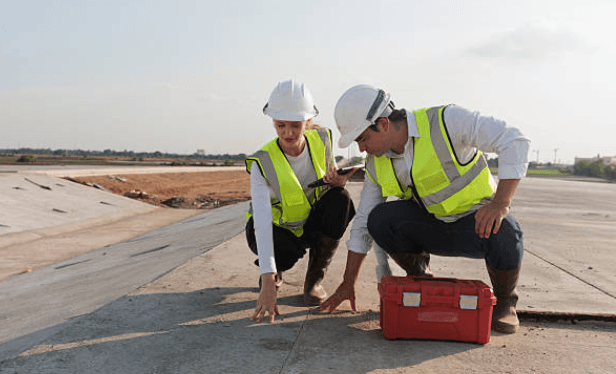
Strong foundations are the backbone of every successful construction project. Whether it is a residential building, commercial structure, or infrastructure development, the stability of the entire project depends on how well the foundation is designed and executed. This is why selecting a reliable piling contractor is one of the most important decisions in any construction process.
Piling is a specialized foundation technique used to transfer structural loads deep into the ground. It is especially important in areas where surface soil is weak, unstable, or unable to support heavy loads. A skilled piling contractor ensures that the structure remains safe, stable, and durable for years to come.
What Is Piling in Construction?
Piling is a deep foundation method where long columns (called piles) are driven or drilled into the ground to support a structure. These piles transfer the load from the building to stronger soil or rock layers beneath the surface.
Common types of piles include:
- Concrete piles
- Steel piles
- Timber piles
- Screw piles
Each type is selected based on soil conditions, project requirements, and structural design.
Why Piling Is Important in Construction Projects
Piling plays a crucial role in ensuring the long-term safety and stability of buildings. Without proper foundation support, structures may experience settling, cracking, or even structural failure.
Key reasons piling is essential include:
- Provides stability on weak soil
- Supports heavy structural loads
- Prevents uneven settling
- Increases structural lifespan
- Enhances safety in construction
In areas with variable soil conditions, piling becomes even more important for maintaining structural integrity.
Role of a Professional Piling Contractor
A professional piling contractor is responsible for designing and installing foundation systems that meet engineering and safety standards. Their expertise ensures that the foundation is strong enough to support the structure under all conditions.
Site Assessment and Planning
Before starting any project, the contractor evaluates soil conditions, load requirements, and environmental factors. This helps determine the most suitable piling method.
Engineering Design
Based on the site analysis, a detailed foundation design is created to ensure proper load distribution and stability.
Installation of Piles
Using specialized machinery, piles are installed into the ground with precision to reach stable soil layers.
Quality Testing
Load testing and inspection are conducted to ensure that the piles meet required safety standards.
Types of Piling Methods
Different construction projects require different piling techniques.
1. Driven Piles
These piles are hammered or vibrated into the ground and are ideal for dense soil conditions.
2. Bored Piles
Bored piles are created by drilling into the ground and filling the hole with concrete. They are suitable for large structures.
3. Screw Piles
Screw piles are twisted into the ground and are known for quick installation and minimal disturbance.
4. Sheet Piles
Used for retaining walls and excavation support, sheet piles provide lateral stability.
Benefits of Hiring a Professional Piling Contractor
Working with an experienced contractor ensures high-quality results and reduces construction risks.
1. Structural Safety
Professionals ensure that the foundation is strong enough to support the building safely.
2. Accurate Engineering
Proper calculations and soil analysis prevent future structural issues.
3. Efficient Installation
Experienced teams complete projects faster using the right tools and techniques.
4. Long-Term Durability
Quality piling ensures the structure remains stable for decades.
5. Cost Efficiency
Proper installation reduces the risk of future repairs and maintenance costs.
Common Challenges in Piling Work
Piling is a complex process that requires careful execution. Some common challenges include:
- Unstable soil conditions
- Underground obstacles
- Waterlogged ground
- Incorrect pile depth selection
- Equipment limitations
These challenges highlight the importance of hiring experienced professionals.
Importance of Soil Testing Before Piling
Soil testing is a critical step in any foundation project. It helps determine:
- Soil strength and composition
- Load-bearing capacity
- Groundwater levels
- Suitable piling method
Without proper testing, the foundation design may not meet structural requirements.
Applications of Piling in Construction
Piling is used in a wide range of construction projects.
Residential Projects
- House foundations
- Extensions
- Retaining walls
- Deck support structures
Commercial Projects
- Office buildings
- Shopping centers
- Warehouses
- Industrial facilities
Infrastructure Projects
- Bridges
- Road foundations
- Marine structures
- Utility installations
Signs You Need a Piling Contractor
Certain conditions indicate the need for professional piling services:
- Weak or sandy soil
- Sloping land
- Large or multi-storey buildings
- Waterlogged construction sites
- Previous foundation issues
In such cases, piling ensures the structure remains stable and secure.
How to Choose the Right Piling Contractor
Selecting the right contractor is essential for project success.
1. Experience and Expertise
Choose a contractor with proven experience in handling similar projects.
2. Engineering Knowledge
Strong technical understanding ensures accurate foundation design.
3. Quality Equipment
Modern machinery improves efficiency and precision.
4. Compliance with Standards
Ensure the contractor follows local safety and construction regulations.
5. Reputation and Reviews
Positive feedback and successful projects indicate reliability.
Cost Factors in Piling Projects
The cost of piling depends on several factors:
- Soil condition
- Type of piles used
- Depth of installation
- Project size
- Accessibility of site
Proper planning helps manage costs effectively while ensuring quality.
Environmental Benefits of Modern Piling Techniques
Modern piling methods are designed to minimize environmental impact.
Key benefits include:
- Reduced soil disturbance
- Lower noise levels (in some methods)
- Minimal excavation waste
- Efficient use of materials
These factors make piling a more sustainable foundation solution.
Maintenance and Longevity of Piled Foundations
Once installed correctly, piled foundations require minimal maintenance. However, regular inspections can help identify early signs of structural movement or soil changes.
Properly installed piles can last for decades, making them a long-term investment in structural safety.
See also: Company Formation Guide for Starting a Business the Right Way
Future of Piling Technology
The piling industry continues to evolve with advancements in construction technology.
Future trends include:
- Automated piling machinery
- Real-time load monitoring systems
- Eco-friendly materials
- Faster installation techniques
- Improved soil analysis tools
These innovations will further improve efficiency and safety in construction.
Final Thoughts
A strong foundation is essential for any successful construction project, and piling plays a key role in achieving long-term stability. Choosing the right piling contractor ensures that your structure is built on a secure, durable, and professionally engineered base.
For reliable foundation and excavation services, MRN Excavations offers expert solutions designed to deliver safe, stable, and long-lasting construction results.