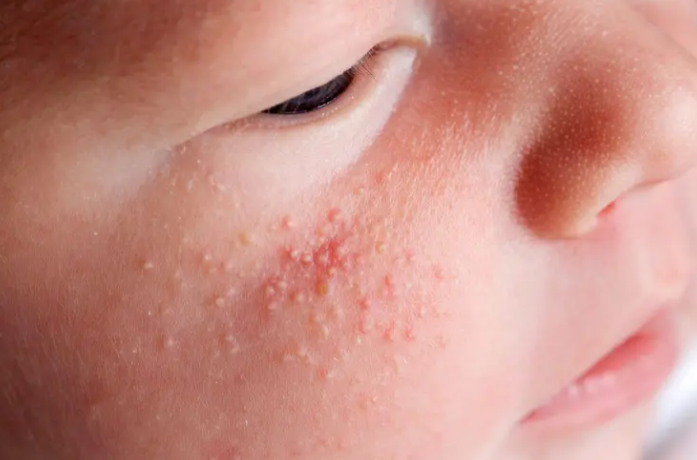
Parents often notice changes in a child’s skin before the child notices them. A pale patch near the cheek, a lighter area around the mouth, or small white spots after outdoor play can quickly become a source of worry. Many parents first assume dryness, fungal infection, allergy, or vitamin deficiency. Sometimes they are correct. Sometimes the cause is entirely different. That is why pediatric skin pigmentation concerns should not be approached through guesswork alone, especially when the patches persist, spread, or change over time.
White spots on a child’s face are not always dangerous, but they do deserve proper evaluation when the pattern is unclear or the patches fail to improve. Early dermatological attention can help identify whether the issue is harmless dryness, an inflammatory condition, a pigmentation disorder, or something needing closer follow-up.
Not Every White Patch Means the Same Thing
One of the main reasons parents become confused is that different skin conditions can look similar in the beginning.
White or pale facial patches in children may be linked to:
- Pityriasis alba
- Dry skin
- Eczema
- Post-inflammatory pigmentation changes
- Fungal infection
- Vitiligo
- Nutritional issues
- Allergic irritation
- Healing after rash
- Sun-related contrast changes
The appearance alone is not always enough for an accurate diagnosis.
A dermatologist usually evaluates the colour, texture, borders, scaling, symptoms, history, and progression before deciding what the patches most likely represent.
Many White Patches in Children Are Harmless
This is important for parents to hear first.
Some of the most common causes of pale facial patches in children are mild and manageable. Conditions like pityriasis alba are often linked to dry or sensitive skin and usually improve gradually with moisturising and skin care support.
These patches may become more visible after sun exposure because the surrounding skin darkens while the lighter area does not tan equally.
Harmless does not mean the patches should always be ignored, but it does mean parents should avoid panic before proper assessment.
When the Patches Keep Increasing
One of the clearest reasons to seek dermatological attention is progression.
Parents should consider evaluation if:
- The patches are spreading
- New patches keep appearing
- Existing patches are becoming larger
- The colour contrast is becoming stronger
- The patches are affecting multiple areas
Progressive change often gives dermatologists useful clues about the possible cause.
For example, stable dryness-related patches behave differently from active pigment disorders or inflammatory conditions.
Sharp Borders Need Closer Examination
Some white patches look faint and blend gradually into the surrounding skin. Others have very sharp, clearly defined edges.
Sharp borders may raise suspicion for conditions such as vitiligo, especially if the pigment loss looks more complete rather than mildly lighter.
This does not mean every sharply bordered patch is vitiligo. But it does mean the child should be examined properly rather than treated casually with random creams.
A dermatologist may assess:
- Border shape
- Colour intensity
- Symmetry
- Hair involvement
- Progression
- Family history
- Associated autoimmune history
These details help separate common childhood skin conditions from true pigment disorders.
Itching, Scaling, or Redness Should Not Be Ignored
Texture changes matter.
A patch that is itchy, flaky, rough, or inflamed may point towards conditions such as:
- Eczema
- Fungal infection
- Contact dermatitis
- Dry skin irritation
- Seborrhoeic changes
In these situations, the white appearance may actually be secondary to inflammation or healing.
Parents often focus only on colour, but dermatologists also look closely at:
- Dryness
- Fine scaling
- Skin thickness
- Irritation
- Scratching marks
- Inflammation around the patch
These features can completely change the likely diagnosis.
Patches That Persist for Months Need Review
Temporary colour changes after mild inflammation can happen in children. But when white patches remain unchanged for months despite moisturising or basic care, a dermatological review becomes more important.
Long-standing patches may need evaluation to rule out:
- Vitiligo
- Chronic eczema-related changes
- Persistent fungal infection
- Nutritional issues
- Stable hypopigmentation
- Other pigment conditions
Persistence alone does not confirm something serious. It simply means the condition deserves clearer understanding.
Family History Can Matter
Dermatologists often ask whether anyone in the family has:
- Vitiligo
- Eczema
- Allergies
- Autoimmune disease
- Asthma
- Psoriasis
- Pigmentation disorders
This matters because some skin conditions have genetic or immune-related patterns.
For example, children with eczema-prone families may develop pityriasis alba more commonly. Vitiligo may also appear alongside a family autoimmune history in some patients.
These details help the dermatologist build the larger clinical picture.
White Patches Around the Eyes or Mouth Need Attention
Location sometimes matters.
Patches around:
- Eyes
- Mouth
- Eyebrows
- Hands
- Fingers
- Knees
may attract closer attention because some pigmentation disorders commonly involve these areas.
This does not mean every patch in these locations is serious, but parents should avoid self-diagnosing without examination.
Early dermatological review helps identify whether the pattern is inflammatory, pigment-related, or temporary.
Children With Eczema Often Develop Pigment Changes
Children with eczema frequently develop temporary colour changes after inflammation settles.
This may appear as:
- Lighter patches
- Uneven tone
- Dry pale areas
- Skin that tans unevenly
- Rough lighter patches
The National Eczema Society notes that eczema can cause changes in skin pigmentation after inflammation, especially in darker skin tones. (eczema.org)
In these cases, the focus is often on controlling inflammation and repairing the skin barrier rather than aggressively treating the colour difference itself.
White Spots Are Not Always Due to Vitamin Deficiency
Parents commonly assume white patches automatically mean nutritional deficiency.
While poor nutrition can contribute to skin and hair changes, not every white facial patch is caused by low vitamins.
A dermatologist may consider nutritional evaluation if the child also has:
- Poor appetite
- Fatigue
- Hair fall
- Nail changes
- Weight concerns
- Growth concerns
- Generalised skin changes
But starting supplements without evaluation may not solve the actual issue.
The appearance of the patch alone cannot confirm a vitamin deficiency.
Fungal Infections Should Be Diagnosed Properly
Many children are repeatedly treated with antifungal creams even when the condition is not fungal.
True fungal concerns may involve:
- Scaling
- Mild itching
- Spread over time
- Irregular borders
- Associated scalp involvement
- Similar lesions elsewhere on the body
Without examination, parents may mistake pityriasis alba or post-inflammatory hypopigmentation for a fungal infection.
Repeated unnecessary antifungal use can irritate the skin without fixing the actual cause.
Avoid Steroid Creams Without Medical Advice
This is one of the most important safety points.
Parents sometimes use combination creams suggested by pharmacies or relatives. These creams may contain steroids, antifungals, or antibiotics mixed together.
Improper steroid use can lead to:
- Skin thinning
- Increased sensitivity
- Worsening fungal infection
- Pigmentation changes
- Irritation
- Masked symptoms
Children’s facial skin is delicate. Strong creams should not be used casually.
A dermatologist should decide whether any steroid treatment is appropriate and for how long.
Sun Exposure Can Make the Patches More Visible
Parents often notice white patches more during holidays or summer.
This happens because the surrounding skin becomes darker with sun exposure, while pale areas remain lighter. The contrast increases, making the patches easier to see.
This is common with:
- Pityriasis alba
- Dryness-related patches
- Mild post-inflammatory hypopigmentation
Sun protection and moisturising may help reduce contrast gradually.
Emotional Impact Matters Too
Even harmless skin changes can affect older children emotionally.
Children may become self-conscious if classmates comment on visible facial patches. Parents may also become anxious after reading online information suggesting a serious disease.
A dermatology consultation can help clarify:
- Whether the condition is contagious
- Whether it is dangerous
- Whether treatment is needed
- Whether the patches are likely to spread
- What improvement timeline is realistic
Reassurance backed by proper diagnosis often reduces unnecessary stress for both parents and children.
Dermatologists Often Diagnose Through Examination Alone
Parents sometimes assume every child will need extensive testing.
In many cases, a dermatologist can make a likely diagnosis through careful clinical examination and history.
The doctor may look at:
- Patch colour
- Texture
- Borders
- Scaling
- Pattern
- Hair involvement
- Associated dryness
- Distribution
- Symptoms
- Medical history
Additional testing is only recommended when the diagnosis remains unclear or another condition is suspected.
Children’s Skin Should Be Treated Gently
One mistake parents make is trying too many treatments too quickly.
Avoid:
- Scrubbing the patches
- Lemon application
- Strong peels
- Fairness creams
- Multiple active products
- Repeated switching between creams
- Internet-based DIY remedies
Children’s skin heals best with calm, gentle, medically appropriate care.
Follow-Up Can Be Important in Some Cases
A dermatologist may want to follow up if:
- The diagnosis is uncertain
- The patches are progressing
- Vitiligo is suspected
- Treatment response needs review
- New patches appear
- Pigment recovery needs monitoring
Not every child needs long-term follow-up, but some conditions benefit from periodic review.
Questions Parents Can Ask During Consultation
Helpful questions include:
- What is the most likely cause?
- Is this condition contagious?
- Is it related to nutrition?
- Will the colour return fully?
- Does the child need tests?
- Should we avoid certain products?
- Is sunscreen important?
- How long may improvement take?
- Are the patches likely to spread?
- When should we return for review?
Clear explanations help parents avoid unnecessary fear and overtreatment.
Final Word
White facial patches in children can appear for many reasons, ranging from simple dryness and pityriasis alba to inflammatory changes, fungal conditions, or pigment disorders such as vitiligo. Most are not dangerous, but some do require closer attention.
Pediatric skin pigmentation concerns should not be managed through assumptions alone. A proper dermatological evaluation helps determine whether the patches are harmless, inflammatory, nutritional, pigment-related, or something that needs follow-up care.
Parents should seek dermatological attention when the patches spread, persist, itch, develop sharp borders, or continue changing over time. Early assessment often leads to clearer answers, safer treatment, and greater peace of mind.