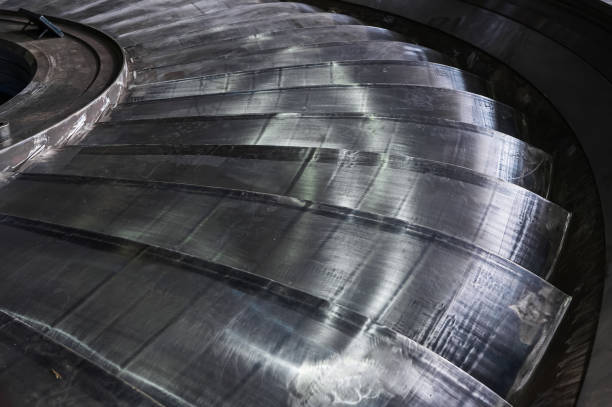
Steam turbines are a cornerstone of modern power generation, converting thermal energy from steam into mechanical energy to drive generators and industrial machinery. While many people focus on the rotor or blades, steam turbine diaphragms are equally critical components that ensure efficiency, performance, and longevity. Understanding the function of diaphragms, recognizing common issues, and following proper maintenance or repair procedures can prevent downtime and costly repairs. This guide explores the essential role of steam turbine diaphragms and best practices for their care.
What Is a Steam Turbine Diaphragm?
A steam turbine diaphragm is a stationary component located between moving blades or rotors. Diaphragms serve as structural and functional elements in the turbine by:
- Directing Steam Flow: They guide high-pressure steam onto the rotor blades at the correct angle for maximum energy conversion.
- Supporting Stage Structure: In multi-stage turbines, diaphragms provide structural support and alignment for blades and rotor assemblies.
- Housing Nozzles: Diaphragms often contain fixed nozzles or openings that convert thermal energy of steam into kinetic energy directed toward the rotor.
- Maintaining Stage Efficiency: By controlling the velocity and direction of steam, diaphragms help minimize leakage and ensure efficient energy transfer.
In essence, diaphragms are central to the turbine’s aerodynamic design, playing a critical role in performance and operational stability.
Importance of Steam Turbine Diaphragms
Steam turbine diaphragms are vital for several reasons:
- Energy Efficiency: Properly functioning diaphragms maximize the transfer of steam energy to the rotor, improving overall efficiency.
- Mechanical Stability: They maintain precise spacing and alignment of turbine stages, preventing blade collisions or rotor imbalance.
- Reduced Leakage: Well-sealed diaphragms minimize steam bypass and reduce efficiency loss.
- Extended Turbine Life: By ensuring smooth steam flow and structural integrity, diaphragms reduce stress on other components.
Neglecting diaphragm maintenance can compromise turbine output, increase fuel consumption, and accelerate wear on expensive components.
See also: Wearable Technology and Privacy Concerns
Common Types of Steam Turbine Diaphragms
Steam turbine diaphragms vary in design depending on turbine type and application. Common types include:
1. Stationary Nozzle Diaphragms
- Contain fixed nozzles that convert pressure energy into kinetic energy directed at rotor blades.
- Typically made from high-strength alloys to withstand high-pressure and high-temperature steam.
- Used in high-pressure and intermediate-pressure stages of multi-stage turbines.
2. Labyrinth Diaphragms
- Feature a series of teeth or grooves that restrict steam leakage between stages.
- Provide additional sealing to minimize energy loss and improve efficiency.
- Often found in large industrial or utility-scale turbines.
3. Segmented Diaphragms
- Composed of multiple segments bolted together to form a complete ring.
- Easier to manufacture, assemble, and replace compared to a single-piece diaphragm.
- Allows for customized design adjustments for specific turbine models.
4. Valve Diaphragms
- Integrate control valves to regulate steam flow between stages.
- Used in turbines with variable pressure or bypass control requirements.
- Provide precise steam management to optimize turbine performance.
Common Issues with Steam Turbine Diaphragms
Despite being stationary, diaphragms are exposed to extreme operational conditions, which can lead to several issues:
1. Erosion and Corrosion
- High-velocity steam, often containing impurities, can erode diaphragm surfaces over time.
- Moisture and chemical contaminants may cause corrosion, weakening structural integrity.
2. Cracks or Mechanical Deformation
- Thermal cycling and mechanical stress can create cracks or warping.
- Misaligned diaphragms can lead to rotor blade rubbing or damage.
3. Steam Leakage
- Damaged or worn labyrinth seals allow steam to bypass rotor blades, reducing efficiency.
- Uneven sealing can cause uneven rotor loading and vibration.
4. Deposit Buildup
- Mineral or particulate deposits from steam can accumulate on nozzles, disrupting flow patterns.
- Deposits may cause uneven steam distribution and decreased stage efficiency.
5. Loose Fasteners or Connections
- Vibration and thermal expansion may loosen bolts or segments, compromising diaphragm stability.
- Loose segments can create imbalance, noise, or damage other turbine components.
Signs Your Turbine Diaphragms Need Inspection or Repair
Recognizing early signs of diaphragm issues helps prevent extensive turbine damage. Indicators include:
- Reduced Turbine Efficiency: Lower power output or increased fuel consumption.
- Excessive Vibration or Noise: Misalignment or loose components causing abnormal turbine behavior.
- Steam Flow Irregularities: Uneven blade wear, hot spots, or thermal imbalance.
- Visible Wear or Deposits: Inspections reveal erosion, corrosion, or buildup on nozzle surfaces.
- Frequent Stage Failure or Rotor Issues: Diaphragm problems can propagate mechanical stress to rotors and blades.
Steam Turbine Diaphragm Repair Techniques
Repairing or refurbishing diaphragms requires precision and expertise. Common techniques include:
1. Surface Cleaning and Restoration
- Removes deposits, corrosion, and carbon buildup.
- Techniques include chemical cleaning, ultrasonic cleaning, or controlled abrasive methods.
- Restores smooth surfaces for efficient steam flow.
2. Welding and Machining
- Cracks or deformed sections can be welded using high-temperature alloys.
- Machining restores dimensional accuracy and proper alignment.
- Ensures structural integrity and precise nozzle geometry.
3. Seal Replacement
- Labyrinth seals or gaskets may need replacement to prevent leakage.
- Proper sealing improves efficiency and protects downstream components.
4. Segment Reassembly and Alignment
- Segmented diaphragms may require disassembly, inspection, and reassembly with proper torque and alignment.
- Ensures even steam distribution and stable stage structure.
5. Coating and Surface Treatment
- Anti-corrosion or erosion-resistant coatings extend diaphragm life.
- Surface treatments reduce wear from high-velocity steam and particulate matter.
6. Testing and Performance Verification
- Flow bench or steam test rigs verify nozzle performance and alignment.
- Ensures repaired diaphragms meet manufacturer specifications before reinstallation.
Importance of Professional Diaphragm Repair Services
Professional repair services are essential for ensuring turbine safety and efficiency:
- Expertise: Technicians understand material properties, turbine design, and repair tolerances.
- Precision Equipment: CNC machines, inspection tools, and testing rigs ensure accurate repairs.
- Quality Assurance: Repairs are verified to meet OEM standards, preventing repeat failures.
- Downtime Minimization: Skilled professionals perform repairs efficiently, reducing operational interruptions.
- Warranty and Compliance: Reputable services provide warranties and ensure compliance with safety and operational standards.
Preventive Maintenance for Steam Turbine Diaphragms
In addition to professional repair, preventive measures can extend diaphragm life:
- Regular Inspections: Scheduled visual and non-destructive testing identifies early wear or cracks.
- Steam Quality Management: Filtering and treating steam reduces corrosion and deposits.
- Lubrication and Temperature Monitoring: Proper turbine lubrication and temperature control reduce thermal stress.
- Vibration Analysis: Detects misalignment or loose segments before severe damage occurs.
- Timely Repairs: Addressing minor issues early prevents major failures and expensive downtime.
Conclusion
Steam turbine diaphragms play a crucial role in directing steam, maintaining structural integrity, and ensuring optimal turbine efficiency. Understanding their function, recognizing common issues such as erosion, cracks, or leakage, and implementing timely repairs can prevent major failures and extend the life of your turbine.
Professional steam turbine diaphragm repair services restore precise alignment, smooth steam flow, and proper sealing, ensuring safe, efficient, and reliable operation. Combined with regular inspections, preventive maintenance, and adherence to manufacturer standards, these measures optimize turbine performance, reduce downtime, and protect critical power generation assets.
Investing in proper diaphragm care is not just about maintenance—it is a strategic step in ensuring operational efficiency, cost savings, and long-term reliability for industrial and power generation facilities.