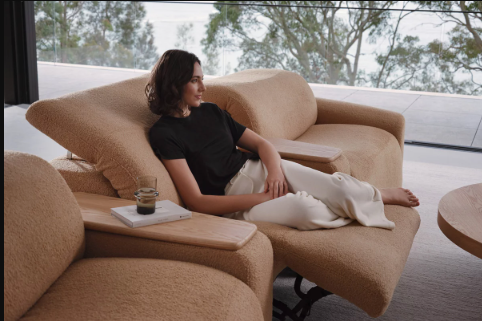
Life in Indian cities has become fast and demanding. Long working hours, traffic, digital screens, and daily responsibilities often leave people feeling tired and mentally drained. Because of this, the home is no longer just a place to sleep. It has become a space where people want to relax, recharge, and feel safe. One of the simplest ways to create this comfort is by choosing the right seating arrangement, especially a well-designed recliner that supports both body and mind.
A stress-free living space does not require expensive décor or large renovations. It begins with thoughtful furniture choices. The right recliner setup can improve posture, reduce body pain, and create a calming corner inside the living room. This blog explains how to design a peaceful space using smart seating decisions, practical layout ideas, and simple consumer advice suited to modern Indian homes.
Understanding the Link Between Furniture and Mental Well-Being
1. Why seating comfort affects stress levels
Many people do not realize how strongly furniture affects mood. When seating is uncomfortable, it adds to daily physical strain. Back pain, stiff neck, and poor posture slowly increase stress levels. On the other hand, a supportive recliner allows the body to rest in a natural position. When muscles relax, the mind also feels calmer.
In Indian households where families spend evenings watching television or talking together, seating comfort plays a big role. If the living room is inviting and comfortable, family members naturally gather there. This sense of connection reduces loneliness and emotional stress.
2. Creating a relaxation zone at home
Not every home has space for a separate relaxation room. But even a small corner with a comfortable recliner can become a personal retreat. Soft lighting, a side table, and a quiet setting can turn an ordinary space into a stress-free zone. Many urban apartments now include such corners because people understand the value of mental balance.
Choosing the Right Recliner for Your Lifestyle
1. Consider your daily routine
Before buying a recliner, it is important to think about how it will be used. Do you plan to watch television for long hours? Do you read books in the evening? Or do you need a place to relax after work? Understanding daily habits helps you choose the correct size and design.
A supportive recliner with proper backrest angle and foot support can reduce pressure on the spine. This is especially helpful for working professionals who sit for long hours at a desk.
2. Manual or motorized options
In India, both manual and motorized models are available. Manual options are budget-friendly and simple to use. Motorized versions offer smooth adjustments at the push of a button. For elderly family members, a motorized recliner can make sitting and standing easier.
The choice depends on budget and comfort needs. A thoughtful purchase ensures long-term satisfaction and stress-free usage.
See also: How Home Installation Services in Canada Can Transform Your Living Space
Arranging Your Living Room for Better Flow
1. Space planning matters
A cluttered living room creates visual stress. When designing your seating setup, ensure there is enough walking space around the recliner. Avoid blocking doors or windows. Natural light and free movement contribute to a peaceful atmosphere.
Place the recliner in a way that allows easy viewing of the television without twisting the neck. Proper placement prevents strain and makes relaxation effortless.
2. Balance between personal and shared space
While a recliner offers personal comfort, the living room should still feel inclusive. Arrange seating so that family members can talk to each other comfortably. A balanced layout encourages conversation and bonding.
Stress-free living is not only about physical comfort but also about emotional connection.
Material and Fabric Choices That Promote Calmness
1. Breathable and easy-to-maintain fabrics
In Indian weather conditions, especially in warmer regions, fabric choice matters. Breathable materials prevent discomfort during long sitting hours. Choose fabrics that are easy to clean and maintain. Low-maintenance seating reduces everyday stress.
A good-quality recliner with durable upholstery remains comfortable for years. Investing in reliable materials saves money and effort in the long run.
2. Neutral colors for a peaceful vibe
Colors influence mood. Soft shades like beige, grey, or light brown create a calming effect. A recliner in neutral color blends easily with different interior styles and does not overwhelm the space.
Simple design and calm tones make the living room feel open and welcoming.
The Importance of Proper Back Support
1. Health benefits of ergonomic design
Back problems are common among Indian adults due to long working hours and travel time. An ergonomic recliner supports the natural curve of the spine. It distributes weight evenly and reduces pressure points.
When the body feels supported, muscles relax. This directly lowers stress levels. Over time, proper seating can even improve sleep quality because the body remains less tense.
2. Supporting elderly family members
In many Indian households, grandparents share the living space. A comfortable recliner can help them rest during the day without lying down in the bedroom. It also supports easy sitting and standing, reducing the risk of falls.
Designing stress-free spaces means considering the comfort of every family member.
The Role of Sofa in Creating a Complete Setup
A living room is not complete with only one chair. The Sofa plays an equally important role in shaping the space. While a recliner offers personal comfort, the Sofa creates a shared seating area where family and guests can gather. Choosing the right Sofa size ensures the room does not feel crowded. A balanced combination of Sofa and recliner creates harmony between private relaxation and social interaction.
When selecting a Sofa, check the firmness and seating depth. It should complement the design and comfort level of the recliner so that the overall setup feels consistent.
Reducing Screen-Time Stress with Smart Setup
1. Positioning and lighting
Many families place their recliner directly facing the television. While this is practical, lighting should also be considered. Avoid harsh overhead lights. Use soft lamps to reduce glare on the screen.
Proper lighting reduces eye strain and enhances relaxation.
2. Creating screen-free moments
A recliner does not have to be used only for watching TV. It can also be used for reading, listening to music, or simply resting. Creating screen-free time in this comfortable space helps reduce digital stress.
Budget Planning Without Compromising Comfort
1. Set a realistic budget
Stress-free design also means financial comfort. Decide your budget before shopping. A high price does not always guarantee better comfort. Compare features and reviews carefully.
A well-priced recliner with good warranty coverage provides peace of mind. Look for brands offering clear return policies and after-sales support.
2. Long-term value matters
Buying cheap furniture may lead to frequent repairs or replacement. Investing in a durable recliner reduces long-term expenses and ensures consistent comfort.
Quality seating should last for many years without losing support.
Blending Design with Indian Lifestyle Needs
1. Multi-purpose living rooms
In many Indian homes, the living room serves multiple purposes. It may act as a guest area, family lounge, and even workspace. A well-placed recliner adapts easily to these needs.
Flexible furniture choices help maximize space without creating clutter.
2. Respecting cultural habits
Indian families often host guests. While a recliner is designed for individual comfort, it should blend naturally with other seating arrangements. Avoid overly bulky designs that make the room look tight.
A balanced layout ensures that comfort and hospitality go hand in hand.
Small Additions That Enhance Relaxation
1. Add supportive accessories
Cushions, footrests, and soft throws can enhance the comfort of your recliner. However, avoid overcrowding the space. Simplicity is key to stress-free design.
2. Keep the area organized
Clutter increases mental tension. Keep the space around your recliner clean and tidy. A small side table for books or tea is enough.
An organized environment supports a calm mind.
Future Trends in Stress-Free Living Room Design
Interior trends in India are moving toward minimal and functional spaces. People prefer furniture that supports health and well-being. The demand for ergonomic recliner options is increasing as more consumers understand the connection between posture and stress.
Online platforms also make it easier to compare designs and prices. Buyers are more informed than before. They read reviews, check materials, and focus on durability.
In the coming years, smart features like adjustable headrests and improved lumbar support will become common in the recliner market. However, the core idea will remain the same comfort that reduces stress.
Designing a Stress-Free Living Space
Designing a peaceful home does not require complex planning. It begins with small changes that support daily comfort. A thoughtfully chosen recliner can become the most relaxing corner of the house. When combined with the right layout, proper lighting, and supportive seating like a well-matched Sofa, the living room transforms into a true comfort zone.
In today’s fast-moving world, everyone needs a place to pause. A stress-free living space supports both physical health and emotional well-being. By investing wisely in the right recliner and arranging it carefully, you create more than just a seating area. You create a daily escape from stress inside your own home.