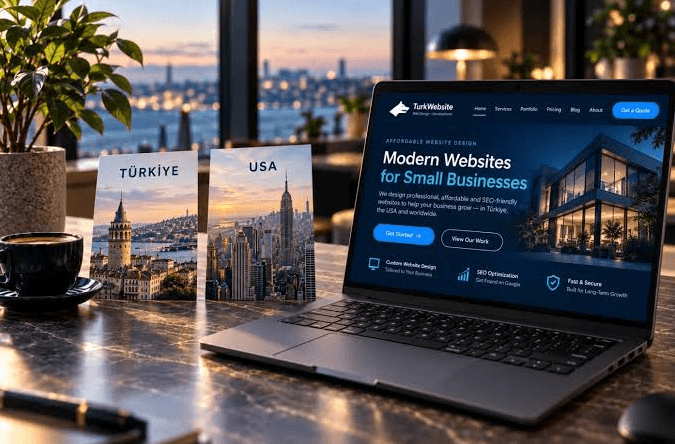
For a business on the rise, a website is more than a digital brochure; it is the primary channel for discovery, trust-building, and conversion. However, growth-stage companies often face tight budgets and competing priorities. Cost-effective website design balances practical constraints with strategic value, delivering a site that supports customer acquisition and scales as the company grows. This article explores how to prioritize features, choose the right approach to design and development, and maintain momentum without overspending.
Define Clear Objectives Before You Spend
Clarity about what the website must accomplish will shape every budget decision. Start by identifying one primary conversion goal—lead capture, product sales, or portfolio presentation—and a couple secondary goals. A focused site runs leaner because it avoids unnecessary pages, complex integrations, and feature bloat. Map user journeys that lead directly to your conversion point and design only the pages and functionality needed to support those journeys. This prevents wasteful design iterations and keeps development scope manageable.
Prioritize Features that Drive Value
Not all features are created equal. Time-to-value should be the guiding principle when deciding what to build now and what to defer. Core elements like responsive layout, clear calls-to-action, fast load times, and basic analytics will yield immediate returns. More advanced capabilities—custom integrations, extensive e-commerce variations, or bespoke back-end systems—can often be staged into later phases. Use a phased roadmap that aligns with revenue milestones; this spreads costs and lets real user data inform subsequent investments.
Lean Design Principles
A clean, consistent design reduces both initial build time and future maintenance. Choose a modular approach: reusable components such as headers, footers, cards, and forms accelerate development and ensure brand consistency. Opt for a design system that uses a limited color palette, typography scale, and spacing rules; this simplifies decisions and cuts down on custom work. Templates and component libraries let you get a professional-looking site without paying for every pixel to be created from scratch. Simplicity also helps with accessibility and performance, two areas that directly impact conversions.
Smart Technology Choices
Technology choices can make or break a budget. A content management system (CMS) that non-technical team members can use reduces long-term costs because it avoids repeated developer engagement for routine updates. Popular CMS platforms offer a wealth of pre-built themes and plugins that can be safely leveraged for many needs. Where possible, prefer off-the-shelf solutions for payments, forms, and inventory rather than building custom systems. When custom work is needed, encapsulate it into modules that can be replaced or upgraded independently.
In-House, Freelance, or Agency?
Deciding who builds the site depends on scale, timeline, and internal capabilities. Small teams with light needs might manage a site in-house with a template-based CMS and ad-hoc freelance support. For faster launches, broader expertise, or ongoing strategic guidance, partnering with an external provider makes sense. Consider working with an affordable web design agency that offers packaged services and transparent pricing tailored to growing businesses. Choosing a partner with experience in your industry reduces discovery time and minimizes costly rework.
Optimize for Performance and Conversion
A fast, reliable site converts better. Invest in performance fundamentals like image optimization, caching, and minimizing render-blocking scripts. Mobile performance is especially critical since many users will access the site from phones and tablets; poor mobile experiences can erase gains from other marketing efforts. Use A/B testing to validate design choices and iterate based on real user behavior. Small improvements to headlines, button placement, or form length can materially boost conversion rates without significant new development.
Content Strategy that Scales
Content drives search traffic and educates prospects, but producing content can be expensive if not planned. Create a core set of pages that cover your main value propositions and customer questions. Supplement with a focused content plan that targets high-impact topics and formats. Evergreen content performs well over time, while case studies and testimonials build trust. Reuse and repurpose materials across landing pages, email campaigns, and social channels to extend value without constant new production.
Measure, Maintain, and Iterate
Launching the site is only the beginning. Establish key metrics to track performance against your objectives—traffic quality, bounce rates, conversion rates, and page load times. Regularly audit the site for broken links, outdated content, and technical issues that erode user experience. Budget for periodic improvements rather than one-off rebuilds; continuous, small updates are more cost-effective than large redesigns. An analytics-driven approach helps you allocate funds where they’ll have the greatest impact.
See also: Practical Ways to Increase Small Business Revenue
Negotiating Cost Without Sacrificing Quality
Transparent pricing and clear deliverables are essential when working with external partners. Request detailed proposals that break down hours, deliverables, and ongoing costs such as hosting or maintenance. Ask for references and examples of similar projects to verify claims. Consider fixed-scope, fixed-price packages for early phases to limit risk, and use time-and-materials agreements for iterative work where priorities may shift. A well-negotiated contract paired with milestone-based payments protects both parties and ensures steady progress.
Final Thoughts on Sustainable Growth
A cost-effective website design strategy for growing businesses hinges on prioritizing the essentials, choosing the right tools and partners, and committing to ongoing optimization. By focusing on clarity of purpose, modular design, and measurable outcomes, you can build a professional online presence that supports growth without draining resources. Thoughtful staging of features and smart vendor selection let you deliver immediate value and maintain flexibility as your business evolves.