Artificial intelligence is no longer a technology reserved for large corporations with massive research budgets. Today, startups across nearly every industry are exploring ways to integrate AI into their products, services, and internal operations. From customer support automation and predictive analytics to recommendation engines and intelligent workflows, AI has become a powerful tool for innovation and growth.
However, while interest in AI continues to grow, building successful AI products remains challenging. Many founders have strong business ideas but lack the technical expertise required to transform those ideas into functional solutions. Recruiting experienced AI engineers, data scientists, and machine learning specialists can be difficult, expensive, and time-consuming—especially for early-stage startups operating with limited resources.
This is one reason many companies turn to resources such as Zinn Hub AI development marketplace when seeking experienced professionals who can help accelerate development and reduce technical barriers. Rather than spending months building internal teams, startups often rely on external AI talent to move faster, validate ideas, and bring products to market more efficiently.
The AI Opportunity Is Growing Rapidly
Artificial intelligence is influencing nearly every sector of the economy.
Businesses are using AI to:
- Automate repetitive tasks
- Improve customer experiences
- Analyze large datasets
- Increase operational efficiency
- Personalize services
- Enhance decision-making
For startups, AI creates opportunities to compete with larger organizations by leveraging technology rather than relying solely on scale.
A small team with the right AI capabilities can often deliver experiences that previously required significant human resources.
This potential explains why AI adoption continues accelerating among startups worldwide.
See also: Wearable Technology and Privacy Concerns
Why Building an Internal AI Team Is Difficult
Although many founders recognize the value of artificial intelligence, assembling an in-house AI team presents several challenges.
Experienced AI professionals remain in high demand.
Competition for talent is intense, and salaries often exceed what many startups can comfortably afford.
Recruiting may require:
- Extended hiring cycles
- High compensation packages
- Additional benefits
- Ongoing training investments
Even after hiring, retaining specialized talent can be difficult because larger organizations frequently offer attractive opportunities.
For startups operating under tight budgets, these realities can slow innovation significantly.
Speed Matters in Startup Growth
Startups operate in highly competitive environments.
Success often depends on moving quickly, testing ideas, and responding to market feedback faster than competitors.
Building an internal team may take months.
During that time, opportunities can disappear.
External AI specialists help startups accelerate development by providing immediate access to expertise.
Rather than waiting for recruitment processes to conclude, founders can begin building prototypes, testing concepts, and validating assumptions much sooner.
This speed often becomes a competitive advantage.
The faster a startup reaches market, the sooner it can gather user feedback and refine its product.
Access to Specialized Expertise
Artificial intelligence is not a single discipline.
Successful AI projects often require multiple skill sets.
Examples include:
- Machine Learning Engineering
- Data Science
- Natural Language Processing
- Computer Vision
- AI Infrastructure
- Cloud Architecture
- Backend Development
Finding professionals who possess expertise across all these areas can be challenging.
External talent networks allow startups to access specialists precisely when needed.
Instead of hiring multiple full-time employees, businesses can engage experts for specific project requirements.
This flexibility often improves both efficiency and project quality.
Reducing Financial Risk
Startups must manage resources carefully.
Every hiring decision carries financial implications.
Building an internal AI team requires commitments related to:
- Salaries
- Equipment
- Software licenses
- Benefits
- Management costs
External talent reduces many of these obligations.
Startups can allocate resources directly toward development without assuming long-term employment expenses.
This model allows founders to maintain greater financial flexibility while still accessing advanced technical expertise.
Reducing fixed costs often improves sustainability during the early stages of growth.
Faster MVP Development
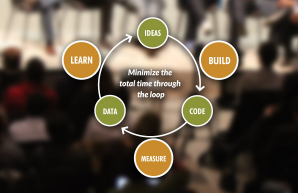
Many successful startups begin with a Minimum Viable Product, commonly known as an MVP.
An MVP focuses on validating a business idea with the smallest practical version of a product.
The objective is learning rather than perfection.
External AI professionals frequently help startups:
- Define technical requirements
- Build prototypes
- Develop core features
- Test functionality
- Launch initial versions
This support allows founders to gather real-world feedback before investing heavily in large-scale development.
The ability to validate assumptions quickly can prevent costly mistakes.
Learning From Experienced Professionals
External AI experts often work across multiple industries and projects.
This exposure provides valuable insights that internal teams may not possess.
Experienced professionals frequently contribute:
- Technical recommendations
- Process improvements
- Architecture guidance
- Industry best practices
- Risk mitigation strategies
These insights can help startups avoid common development mistakes.
Learning from professionals who have solved similar challenges before often accelerates project success.
The knowledge transfer alone can create significant long-term value.
Scaling Resources as Needed
Startup workloads rarely remain consistent.
Some phases require intense development activity, while others focus on marketing, sales, or product refinement.
External talent provides flexibility.
Businesses can:
- Increase resources during development
- Reduce involvement after launch
- Add specialists for specific tasks
- Expand teams temporarily
This scalability allows startups to align expenses with actual project requirements.
Rather than maintaining large permanent teams, resources can be adjusted according to business needs.
This flexibility is particularly valuable during periods of rapid change.
Overcoming Technical Complexity
AI projects often involve challenges beyond traditional software development.
Common complexities include:
- Data preparation
- Model training
- Infrastructure management
- Performance optimization
- Security considerations
- Compliance requirements
Without specialized expertise, these challenges can delay projects significantly.
External AI professionals bring practical experience that helps startups navigate technical obstacles more effectively.
Their familiarity with common challenges often reduces development time and minimizes costly errors.
Access to Modern AI Technologies
Artificial intelligence evolves rapidly.
New tools, frameworks, and platforms emerge continuously.
Keeping pace with these developments can be difficult for startups focused on product growth.
External specialists often remain current with technologies such as:
- Large Language Models
- Machine Learning Frameworks
- AI APIs
- Cloud-Based AI Services
- Automation Platforms
This knowledge helps startups select technologies that align with their goals while avoiding unnecessary complexity.
Choosing the right tools early can improve scalability and reduce future redevelopment costs.
Supporting Innovation Without Increasing Overhead
Many startups want to explore AI opportunities but hesitate because they associate artificial intelligence with significant investment.
External talent changes this equation.
Instead of building expensive internal departments, startups can experiment with AI initiatives through targeted partnerships.
This approach encourages innovation because the barriers to entry become lower.
Founders can test ideas, explore opportunities, and evaluate market demand without committing substantial resources upfront.
As a result, businesses gain greater freedom to innovate.
Why Flexibility Creates Competitive Advantage
One of the greatest strengths of startup companies is adaptability.
Unlike large organizations, startups can pivot quickly and respond rapidly to market feedback.
External AI talent supports this agility by providing access to expertise without creating long-term constraints.
Founders can adjust strategies, explore new opportunities, and scale development efforts according to changing priorities.
This flexibility often helps startups compete more effectively against larger competitors with slower decision-making processes.
In fast-moving markets, adaptability can be just as valuable as technical capability.
Building Smarter Startups
Artificial intelligence offers tremendous opportunities for startups, but successfully implementing AI requires specialized knowledge, strategic planning, and technical execution. For many founders, building large internal teams is neither practical nor necessary during the early stages of growth.
By leveraging external AI talent, startups gain access to expertise, accelerate product development, reduce financial risk, and improve flexibility. This approach allows businesses to focus on validating ideas, serving customers, and refining products while experienced professionals handle complex technical challenges.
As AI continues reshaping industries, startups that effectively combine innovation with external expertise will often move faster, learn quicker, and create stronger products. In an increasingly competitive environment, the ability to access world-class AI talent on demand may become one of the most valuable advantages a growing company can possess.