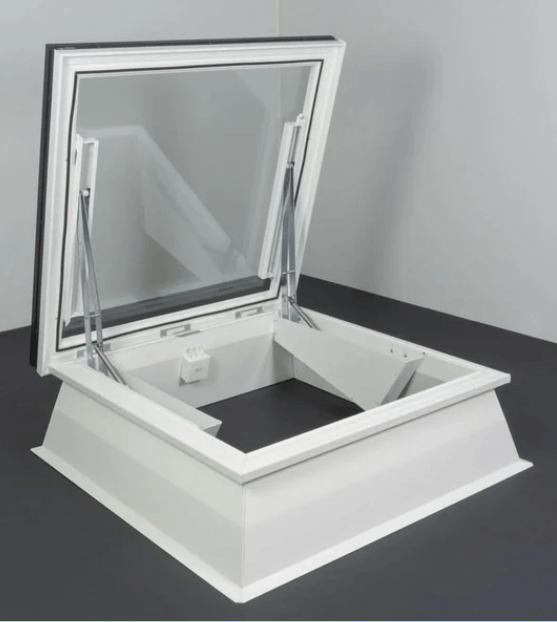

Modern architecture increasingly focuses on spaces that are brighter, healthier, and more energy efficient. One of the most effective solutions supporting this trend is the use of flat opening roof lights. These systems combine natural daylighting with ventilation, making them a versatile choice for both residential and commercial buildings.
Unlike fixed skylights, flat opening roof lights are designed to open and close, allowing fresh air to enter while still delivering high levels of natural light. This dual functionality makes them especially valuable in buildings where indoor air quality and thermal comfort are important.
This article explores how flat opening roof lights work, their key benefits, design considerations, and how they are used across different industries.
What Are Flat Opening Roof Lights?
Flat opening roof lights are roof-mounted glazing systems installed on flat or low-pitch roofs that can be opened to allow ventilation. They are typically made from durable materials such as:
- Toughened or laminated glass
- High-performance polycarbonate
- Aluminium or thermally broken steel frames
Unlike fixed rooflights, these systems include mechanical or electric opening mechanisms that allow the glazed unit to tilt, pivot, or fully open.
Flat opening roof lights serve two main purposes:
- Bringing natural daylight into interior spaces
- Providing controlled ventilation when needed
This makes them an ideal solution for modern buildings that prioritize comfort, efficiency, and sustainability.
Why Flat Opening Roof Lights Are Becoming More Popular
The demand for healthier indoor environments has grown significantly in recent years. Building owners and architects are now prioritizing natural ventilation alongside daylighting.
Flat opening roof lights address both needs effectively.
Their growing popularity is driven by:
- Increasing awareness of indoor air quality
- Energy efficiency regulations
- Demand for sustainable building solutions
- Advancements in automated ventilation systems
For example, in modern office buildings, these rooflights are often integrated into smart building systems that automatically open when indoor temperatures rise.
Key Benefits of Flat Opening Roof Lights
Enhanced Natural Ventilation
One of the most important benefits of flat opening roof lights is improved airflow.
Warm air naturally rises, and opening rooflights allow this hot air to escape efficiently. This creates a natural ventilation cycle that improves indoor comfort.
Key ventilation benefits include:
- Reduced indoor heat buildup
- Improved air circulation
- Lower reliance on mechanical cooling systems
- Better indoor air quality
In commercial kitchens or workshops, this ventilation function is especially valuable for removing heat and odors.
Improved Natural Daylighting
Flat opening roof lights allow abundant natural light to enter interior spaces from above.
Compared to vertical windows, rooflights provide more consistent and evenly distributed daylight throughout the day.
This results in:
- Brighter interiors
- Reduced need for artificial lighting
- Improved visual comfort
- More inviting environments
For example, in retail environments, natural daylight can enhance product visibility and improve customer experience.
Energy Efficiency and Reduced Costs
Energy savings are a major advantage of flat opening roof lights.
By combining daylighting with natural ventilation, they reduce dependence on both lighting and HVAC systems.
Modern systems often include:
- Low-emissivity glazing
- Double or triple insulation layers
- Thermal break frames
- Solar control coatings
In office environments, this can lead to significant reductions in electricity usage for both lighting and cooling.
Enhanced Indoor Comfort and Well-Being
Access to natural light and fresh air has been proven to improve human health and productivity.
Buildings equipped with flat opening roof lights often report:
- Improved concentration
- Reduced fatigue
- Better mood and well-being
- Increased productivity
For example, classrooms with operable rooflights tend to have better student engagement due to improved air quality and lighting conditions.
Smoke Ventilation and Safety Benefits
In many commercial buildings, flat opening roof lights also serve as smoke ventilation systems.
In the event of a fire, they can automatically open to allow smoke and heat to escape, improving safety and visibility for evacuation.
This makes them suitable for:
- Warehouses
- Shopping centers
- Industrial buildings
- Public facilities
Smoke ventilation rooflights are often integrated into fire safety systems and building regulations compliance strategies.
Modern Aesthetic Appeal
Flat opening roof lights offer a clean and contemporary appearance that enhances architectural design.
Their low-profile structure blends seamlessly into flat roofs, maintaining a sleek exterior while improving interior spaces.
Design benefits include:
- Minimal visual disruption
- Modern architectural finish
- Increased property value
- Enhanced spatial perception indoors
In residential extensions, they are often used to create bright, open-plan kitchen and living areas.
Types of Flat Opening Roof Lights
Manual Opening Roof Lights
These systems are operated manually using handles or mechanical arms.
They are suitable for:
- Small residential projects
- Low-frequency ventilation needs
- Budget-conscious installations
They offer simplicity and reliability with minimal maintenance requirements.
Electric Opening Roof Lights
Electric systems use motors to open and close the rooflight.
They are commonly used in:
- Commercial offices
- Educational buildings
- Large residential properties
They can often be controlled via remote systems or building automation platforms.
Smoke Ventilation Roof Lights
These are specialized systems designed for fire safety compliance.
They automatically open during emergencies to release smoke and heat.
Applications include:
- Industrial facilities
- Shopping centers
- Public buildings
They are often connected to fire alarm systems for automatic activation.
Walk-On Opening Roof Lights
Walk-on systems are reinforced to allow foot traffic while still offering opening functionality.
They are used in:
- Rooftop terraces
- Accessible roof spaces
- Architectural feature roofs
They combine strength, safety, and functionality.
Design Considerations for Flat Opening Roof Lights
Structural Requirements
Because these systems include moving parts, structural integrity is essential.
Engineers assess:
- Roof load capacity
- Frame reinforcement needs
- Wind resistance performance
Proper structural design ensures long-term safety and functionality.
Waterproofing and Weather Resistance
Flat opening roof lights must be fully weatherproof when closed.
Key design elements include:
- High-performance sealing systems
- Integrated flashing kits
- Water drainage channels
These ensure protection against rain, snow, and wind exposure.
Thermal Efficiency
Thermal performance is critical for energy-efficient buildings.
Modern systems use:
- Insulated glazing units
- Thermally broken frames
- Argon-filled glass layers
These features help maintain stable indoor temperatures throughout the year.
Control Systems and Automation
Advanced flat opening roof lights often include smart control systems.
These may feature:
- Rain sensors that automatically close the unit
- Temperature-based ventilation control
- Integration with smart building systems
- Remote or app-based operation
For example, in modern office buildings, rooflights can automatically open during cool mornings and close during peak heat hours.
Industry Applications of Flat Opening Roof Lights
See also: Company Formation Guide for Starting a Business the Right Way
Residential Properties
Homeowners use flat opening roof lights to improve ventilation and natural light in kitchens, living rooms, and loft conversions.
They help create brighter and more comfortable living spaces.
Commercial Offices
In office environments, these systems improve air quality and employee comfort.
They also reduce reliance on air conditioning, improving sustainability performance.
Warehouses and Industrial Buildings
Industrial facilities often require effective ventilation due to heat generated by machinery and operations.
Flat opening roof lights provide a practical and cost-effective solution.
Educational Institutions
Schools and universities benefit from improved indoor air quality and daylighting.
This contributes to better learning environments and student performance.
Healthcare Facilities
Hospitals and clinics use these systems to improve air circulation and maintain comfortable environments for patients and staff.
Natural ventilation also supports hygiene and recovery-focused design principles.
Installation and Maintenance Best Practices
Proper installation is essential for long-term performance and safety.
Best practices include:
- Professional installation by certified contractors
- Correct alignment with roof structure
- Proper sealing and waterproofing
- Integration with electrical or fire systems when required
Maintenance requirements are generally low but should include:
- Regular inspection of seals and joints
- Cleaning of glazing surfaces
- Testing of opening mechanisms
- Checking automation systems
Well-maintained systems can operate reliably for many years.
Common Challenges and Solutions
Air Leakage
Poor sealing can lead to drafts or energy loss.
High-quality gaskets and proper installation prevent this issue.
Mechanical Failure
Motorized systems require periodic servicing to ensure long-term reliability.
Routine maintenance reduces the risk of breakdowns.
Heat Loss or Gain
Without proper glazing, rooflights can impact thermal comfort.
Energy-efficient glazing and coatings help regulate temperature effectively.
Future Trends in Flat Opening Roof Lights
The future of flat opening roof lights is closely linked to smart building technology and sustainability goals.
Emerging innovations include:
- AI-driven ventilation systems
- Fully automated climate-responsive rooflights
- Solar-powered opening mechanisms
- Advanced energy-generating glazing
- Integration with net-zero building designs
These developments are making rooflights more intelligent, efficient, and environmentally friendly.
Conclusion
Flat opening roof lights are a highly effective solution for improving natural light, ventilation, and energy efficiency in modern buildings. Their ability to combine daylighting with controlled airflow makes them suitable for a wide range of applications, from residential extensions to large commercial and industrial facilities.
With advancements in automation, glazing technology, and smart building integration, these systems continue to evolve as essential components of sustainable architecture. For tailored solutions that enhance comfort, efficiency, and design performance, contact us